Review: Teacher Blackboard Classroom Line Art
As a designer who has spent countless hours digitizing and testing patterns for real-world application, I approach every new machine embroidery design with a mix of curiosity and skepticism. We have all been there: you download a file that looks crisp on the screen, only to find it puckers the fabric or loses its charm once the needle hits the cloth. Today, I am taking a close look at Teacher Blackboard Classroom Line Art, evaluating it not just as a digital asset, but as a viable component for finished products.
This piece falls under the category of Illustrations and is classified as Graphics, which immediately tells me we are dealing with clean lines and visual storytelling rather than complex shading or photorealism. For embroidery, this is often a blessing. Clean line art translates beautifully into stitch work, provided the digitization respects the limitations of thread and fabric.
First Impressions and Visual Personality
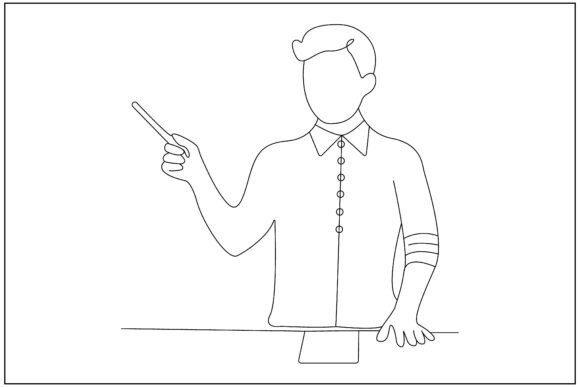
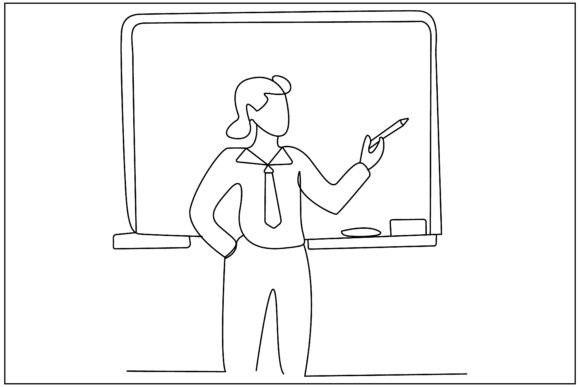
When I first opened the preview for Teacher Blackboard Classroom Line Art, the mood was instantly nostalgic and warm. It captures the essence of a traditional classroom without feeling cluttered. The layout is balanced, relying on strong outlines to define the blackboard and surrounding elements. For an embroidery project, this simplicity is key. Complex gradients do not translate well to thread, but bold, confident lines do.
The visual personality here is professional yet approachable. It feels like something that belongs in a space dedicated to learning and growth. This makes it an excellent candidate for personalized gifts for educators, end-of-year presents, or back-to-school merchandise. The design does not scream for attention; instead, it invites a closer look, which is exactly what you want in high-quality handmade goods.
Real-World Application: The Tote Bag Test
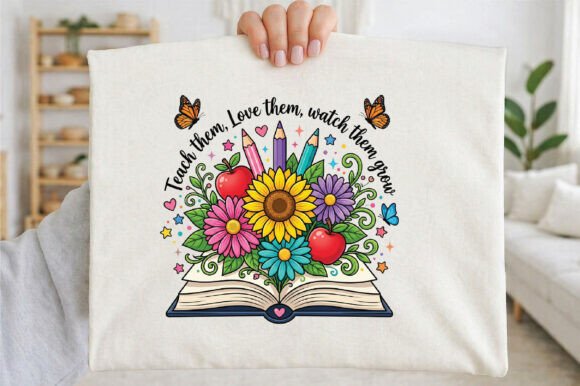
To truly judge a design, you must imagine it on a physical product. I envisioned using this embroidery file on a heavy canvas tote bag. This is a staple item for teachers, who often carry books, papers, and supplies. Imagine a natural-colored cotton canvas with this classroom scene stitched in a deep charcoal or navy thread. The contrast would be striking.
In this scenario, the line art style works in our favor. Because it is not a dense fill stitch design, it will not weigh down the fabric or cause excessive pulling. A tote bag undergoes significant stress, so a lighter stitch count is preferable. If this were a heavy satin stitch block, the bag might warp after a few weeks of use. However, with line art, we can rely on running stitch or light satin borders that maintain the integrity of the textile.
Beyond tote bags, consider sweatshirt embroidery. A crewneck sweatshirt in heather gray with this design centered on the chest creates a subtle, stylish look. It avoids the "loud" aesthetic of some commercial apparel, appealing to teachers who prefer understated professionalism. It also works wonderfully for custom apparel like aprons for art teachers or kitchen towels for home economics instructors.
Navigating Fabric and Hoop Constraints
While the design is versatile, it is not without its technical considerations. As an experienced reviewer, I must point out where caution is needed. Line art relies heavily on precision. If you are stitching on a textured fabric, such as a waffle-knit towel or a rough linen, the fine details might get lost. In these cases, increasing the stitch width slightly or choosing a smoother fabric base is essential.
Hoop size is another critical factor. Since the product description mentions it is suitable for various creative products, you must verify the dimensions before purchasing. If you plan to stitch this on a cap, ensure the design fits within the curved hoop area without distortion. Caps are tricky; flat designs can look warped if they are too wide. For embroidered patch creation, however, this design would likely excel, as patches allow for stable, dense stitching on a separate backing before application.
Dark fabrics present another challenge. If you are stitching white thread on a black shirt, the design needs to be robust enough to stand out. Thin, single-line runs might disappear or look sparse. I recommend testing the design on scrap fabric first, especially when working with high-contrast color combinations. Check your thread colors against the fabric background to ensure visibility and aesthetic harmony.
Commercial Viability for Etsy Sellers and Craft Businesses
For Etsy sellers and small shop owners, the commercial potential of Teacher Blackboard Classroom Line Art is significant. The education niche is evergreen. Teachers buy for themselves, and parents buy for teachers. This design fits seamlessly into holiday embroidery collections for Christmas or end-of-year appreciation gifts.
However, success in the craft business depends on presentation. When listing this as a handmade product, use high-quality printable mockup images or photos of actual stitched samples. Show the design on a variety of items: a baby embroidery onesie for a teacher’s child, a pillow cover for the staff lounge, or a mug wrap (if using heat transfer vinyl alongside embroidery). Demonstrating versatility increases buyer engagement.
It is also vital to discuss licensing. The product description notes the files are compressed in a ZIP archive, but it does not explicitly detail the license terms for commercial use. Before selling finished products or using this in commercial embroidery projects, confirm whether the creator allows for mass production or limits the number of items you can sell. Protecting your business means respecting intellectual property rights.
Technical Notes for the Embroiderer
Before you load this digital embroidery file into your machine, take a moment to review the technical specs. Since specific stitch counts and formats are not provided in the brief description, you must check these upon download. Ensure the file format matches your machine (PES, DST, JEF, etc.).
- Stabilizer Selection: Use a cut-away stabilizer for stretchy fabrics like t-shirts to prevent distortion. For woven fabrics like tote bags, a tear-away may suffice, but test first.
- Stitch Density: Inspect the density settings. If the design feels too open, you might need to adjust underlay stitches to ensure the top threads sit properly.
- Detail Inspection: Zoom in on the digital preview. Are there tiny corners that might bunch up? If so, consider simplifying those areas or using a smaller needle.
- Contrast Testing: Create black and white mockups to see how the design reads without color. If it holds up in monochrome, it will likely look good in any thread color.
Final Verdict
Teacher Blackboard Classroom Line Art is a thoughtful addition to any designer’s library of design assets. It balances aesthetic appeal with practical stitchability. It is not just a pretty picture; it is a functional graphic that solves a specific need for educator-themed merchandise. Whether you are creating a personalized gift for a mentor or stocking your small shop product line for the school year, this design offers a professional, clean look that resonates with its audience.
Remember, the best embroidery projects are those where the technique supports the art. By choosing the right fabric, stabilizer, and thread, you can transform this digital illustration into a tangible, cherished item. Always test on scraps, respect the licensing terms, and let the quality of your stitching speak for itself. This design has the potential to be a bestseller if handled with the care and expertise it deserves.