Reviewing the School Black History Month T-Shirt Design
As an embroidery designer who has spent years digitizing for small businesses and evaluating T-Shirt Designs for real-world application, I approach every new Graphics file with a critical eye. It is not enough for a design to look good on a screen; it must hold up under the needle. Recently, I evaluated the School Black History Month T-Shirt design to determine its viability for commercial and personal projects. This review focuses on how this specific artwork translates from a digital concept into a tangible, stitched reality.
First Impressions: Mood and Visual Personality
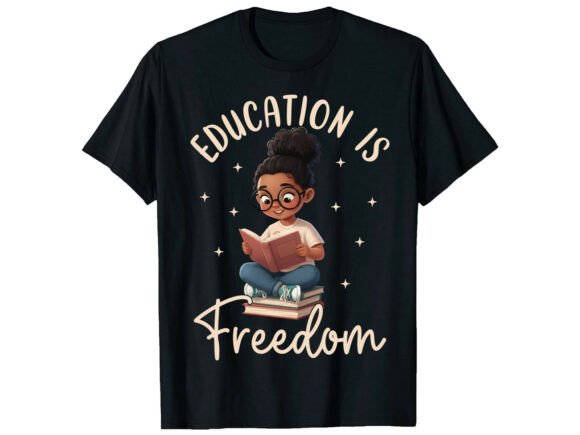
The School Black History Month T-Shirt design immediately establishes a tone of reverence and celebration. The layout honors culture, strength, and heritage, which are central themes for February observances. Visually, the design balances bold statements with meaningful imagery. For an embroidery project, this balance is crucial. If a design is too cluttered, it becomes a muddy mess of thread; if it is too sparse, it lacks impact on garments.
This particular design feels grounded. It does not rely on excessive gradients or photorealistic details that often fail in stitching. Instead, it uses strong shapes and clear lines. This suggests that the original artist understood the limitations and strengths of machine embroidery. The mood is educational yet empowering, making it suitable for school environments, community centers, and family gatherings. When I first loaded the file into my viewing software, the separation of elements looked clean, hinting at a well-structured embroidery file that should minimize thread breaks and jumps.
Real-World Application: From Screen to Stitch
To truly test the School Black History Month T-Shirt design, I considered several common scenarios where such a graphic would be used. The most obvious application is custom apparel. However, the versatility of this design extends beyond standard tees. Imagine this stitched onto a heavy cotton tote bag. The sturdy fabric provides an excellent canvas for the fill stitch areas, allowing the colors to pop without the fabric puckering excessively.
Another strong candidate is sweatshirt embroidery. Hoodies and crewnecks are staple items for school spirit wear and community events. The thickness of fleece or French terry cloth supports denser stitching, which might be present in the bolder elements of this design. For a personalized gift, consider adding a name or date below the main graphic. This transforms a standard handmade product into a cherished keepsake. I also envision this working well as an embroidered patch. Patches allow for high-density stitching on a stabilizer backing, which can then be ironed or sewn onto jackets, backpacks, or hats, offering a durable alternative to direct garment decoration.
For Etsy sellers and craft business owners, this design offers a timely opportunity. Black History Month is a significant retail period. Having a ready-to-stitch design that respects the subject matter while remaining visually appealing is a valuable asset. It allows makers to produce small shop products quickly without spending hours on digitization. Whether used for holiday embroidery gifts or year-round educational tools, the design’s clarity ensures it remains legible and impactful.
Technical Considerations and Fabric Choices
While the design is strong, practical execution requires attention to detail. One must consider stitch density. If the design features large solid areas, a high density can cause fabric distortion, especially on thinner materials like standard t-shirt jersey. In such cases, using a cut-away stabilizer is non-negotiable. It provides the necessary support to keep the stitches flat and the garment shape intact.
Textured fabrics present another challenge. If you plan to stitch this on a waffle-knit thermal or a rough linen tote bag design, the texture can interfere with fine details. I recommend running a test stitch-out on scrap fabric of the same type before committing to the final piece. This helps identify any areas where the thread colors might blend too much with the fabric or where the satin stitch borders might sink into the texture.
Dark fabrics require careful planning. The School Black History Month T-Shirt design likely utilizes specific color palettes to convey its message. On black or navy garments, ensuring sufficient contrast is key. You may need to adjust thread shades slightly brighter than intended to compensate for the dark background absorbing light. Conversely, on white or light gray fabrics, ensure that any outline or running stitch details are visible and not lost in the brightness.
Navigating Challenges: Small Hoops and Curved Surfaces
Not every project is a flat, large surface. Many customers request designs on caps, baby clothes, or pocket areas. Here, the School Black History Month T-Shirt design needs scrutiny. If the design includes small lettering or intricate corners, it may not scale down well for a 4x4 inch hoop size. Tiny details can become indistinct blobs when reduced. I advise checking the minimum recommended size for this design. If the license or file details do not specify this, create a test run at your intended small size to verify clarity.
Curved surfaces, such as baseball caps, introduce tension issues. Stitching a large, dense design on a curved cap can lead to puckering or misalignment. If you attempt this, use a cap frame and appropriate stiff stabilizer. For baby embroidery, comfort is paramount. Ensure that the back of the stitching is smooth and does not irritate sensitive skin. Using a soft backing or covering the reverse side with a fusible interfacing can make the finished product more wearable for infants.
Enhancing Value and Brand Consistency
For commercial embroidery professionals, the quality of the stitch-out reflects directly on brand reputation. A clean, well-executed School Black History Month T-Shirt design builds customer trust. It shows that you care about precision and cultural respect. When creating printable mockup images for online listings, ensure the digital representation matches the physical reality. Misleading previews can lead to returns and negative reviews.
Consistency is also vital. If you are building a collection of design assets for a school or organization, ensure this design aligns with their existing branding guidelines. The color choices should complement their logo or mascot if used in conjunction. This holistic approach elevates the perceived value of your work, moving it from a simple commodity to a professional service.
Practical Notes for the Embroiderer
Before launching into production, take these steps to ensure success with the School Black History Month T-Shirt design:
- Test on Scrap Fabric: Always stitch a sample on the actual material you intend to use. This reveals tension issues and color interactions.
- Check Thread Contrast: Verify that your chosen thread colors stand out against the fabric background. Adjust shades if necessary for better visibility.
- Review Stitch Density: If the design feels too stiff after stitching, consider reducing density in large fill areas if your software allows, or switch to a lighter weight stabilizer.
- Confirm Hoop Size: Ensure your machine’s hoop can accommodate the design dimensions without re-hooping, which can cause alignment errors.
- Inspect Small Details: Zoom in on the preview to check for tiny elements that might not stitch out cleanly. Remove or simplify them if needed.
- Verify Licensing: Before selling finished products or using the digital embroidery file for commercial gain, confirm the license terms. Respect intellectual property rights.
In conclusion, the School Black History Month T-Shirt design offers a meaningful and visually strong option for embroiderers. By understanding its technical requirements and respecting its cultural significance, you can create beautiful, lasting items that resonate with customers. Whether for a custom apparel order or a boutique display, thoughtful execution turns a digital file into a cherished piece of art.