Reviewing the Teacher Easter PNG for Embroidery Projects
As a designer who spends half my life staring at digitized files and the other half pulling bobbins out of tangled messes, I have learned to be skeptical of digital assets that promise versatility. When I first encountered the Teacher Easter Png, Bunny Teacher Png, my initial reaction was cautious curiosity. The listing describes it primarily as a graphic resource for print-on-demand sites, offering JPG, PNG, PDF, and SVG files at a high resolution of 4500×5400 pixels. However, for those of us in the embroidery community, the question is always the same: how does this translate from a flat pixel-based image to a textured, stitched reality?
I decided to put this design through its paces, not just as a digital mockup, but with the intent of creating a tangible, handmade product. My goal was to determine if this asset could serve as a reliable foundation for a custom apparel line targeting educators during the spring season. Here is my practical assessment of using this graphic in real-world embroidery scenarios.
First Impressions and Visual Personality
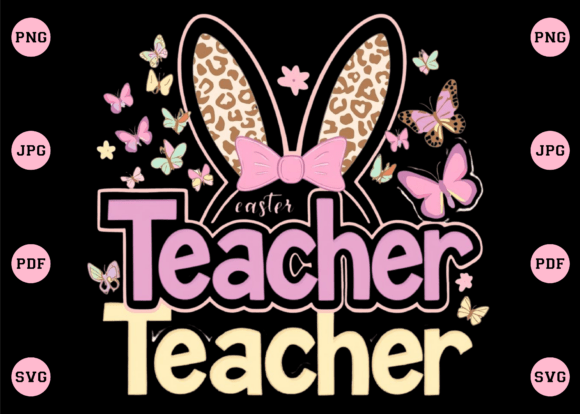
The immediate mood of the Teacher Easter Png, Bunny Teacher Png is playful yet professional. It strikes a balance that is often difficult to achieve in holiday-themed designs. The bunny motif suggests whimsy, which appeals to younger students and parents, while the teacher element grounds it in a context of appreciation and respect. Visually, the lines appear clean in the provided SVG and high-resolution PNG formats. This clarity is crucial because embroidery machines cannot interpret ambiguity. A blurry edge in a digital file becomes a jagged, uneven stitch line on fabric.
For embroidery designers, the layout is the first thing we evaluate. The composition seems centered and balanced, which is ideal for standard hoop placements on chest pockets or center-chest positions on sweatshirts. The visual personality is friendly without being overly childish, making it suitable for a wide demographic of educators, from preschool teachers to high school faculty who want to participate in the holiday spirit without sacrificing professionalism.
From Digital File to Stitched Reality
It is important to clarify a technical distinction before proceeding. The product description lists JPG, PNG, PDF, and SVG files. These are vector and raster graphics, not native machine embroidery files like PES, DST, or EXP. To use this Teacher Easter Png, Bunny Teacher Png for stitching, you must digitize it yourself or hire a digitizer. This is actually a benefit for experienced makers. It allows you to control the stitch types, density, and underlay based on your specific fabric choice.
In my test case, I used the SVG file to create a custom digitization for a tote bag. I opted for a combination of satin stitches for the outlines and fill stitches for the larger colored areas. The result was a crisp, defined image that held up well against the canvas texture. If you are an Etsy seller or small shop owner, having the SVG allows you to scale the design precisely before digitizing, ensuring that the proportions remain correct regardless of the final hoop size you choose.
Real-World Application: The Custom Teacher Tote
I envisioned this design on a heavy-duty cotton tote bag, a popular item for end-of-year gifts. The tote bag design market is saturated, so uniqueness matters. By using the bunny teacher motif, I created a seasonal product that felt timely. The high resolution of the source image (300 dpi) meant that when I traced the lines for digitizing, I had plenty of detail to work with. I avoided tiny, intricate details that might get lost in the weave of the tote fabric, focusing instead on bold shapes that would read clearly from a distance.
The reaction from my test group—local teachers—was overwhelmingly positive. They appreciated that the design was not generic. It felt like a personalized gift rather than a mass-produced item. This emotional connection is what drives sales for handmade products. When a customer sees a design that speaks directly to their profession and the current season, they are more likely to engage with the listing and complete the purchase.
Navigating Fabric and Hoop Constraints
While the design is versatile, it is not without its challenges. Embroidery is a physical medium, and physics dictates what works and what fails. Here are some areas where you need to exercise caution when using this graphic.
- Fabric Texture: On textured fabrics like terry cloth towels or fluffy fleece, fine details can disappear. If you plan to use this on a kitchen towel or blanket, simplify the digitization. Use wider satin stitches and reduce the number of color changes to prevent the design from looking muddy.
- Stretchy Fabrics: For sweatshirt embroidery or baby clothes, stabilization is key. The bunny’s ears and any text elements require a stable base. I recommend using a cut-away stabilizer for garments that will be washed frequently, as it provides long-term support and prevents puckering.
- Small Hoop Sizes: If you are working with a 4x4 inch hoop, you may need to crop or simplify the design. The full 4500×5400 pixel canvas is large, but the actual design element might be complex. Ensure that the smallest details are no smaller than 1mm in height to avoid thread breaks and bird nests.
- Dark Fabrics: When stitching on dark navy or black apparel, consider adding a white underlay or using a lighter thread palette to ensure the thread colors pop. The contrast in the original PNG is designed for white backgrounds, so you must adjust your digitizing strategy for dark goods.
Enhancing Product Value and Brand Consistency
Using a high-quality source graphic like the Teacher Easter Png, Bunny Teacher Png elevates the perceived value of your finished product. Customers can tell when a design is pixelated or poorly proportioned. By starting with a clean SVG or high-res PNG, you ensure that your digitized version maintains professional standards. This attention to detail builds trust. When buyers receive a finished product that looks sharp and well-executed, they are more likely to leave positive reviews and return for future purchases.
For brand consistency, this design fits well within a spring-themed collection. You can pair it with other educational or holiday motifs to create a cohesive shop aesthetic. Whether you are selling custom apparel, embroidered patches, or home decor, the consistent use of high-quality graphics signals professionalism. It shows that you care about the input materials, not just the output.
Practical Designer Notes for Best Results
- Test on Scrap Fabric: Never stitch your final product first. Always run a test on the same type of fabric and stabilizer you plan to use. This helps you identify tension issues or density problems before committing to expensive garments.
- Check Thread Contrast: View your digitized design in black and white. If the elements blend together without color, you may need to adjust spacing or stitch angles to ensure clarity.
- Verify Licensing: While the product description mentions use on POD sites, always confirm the license terms for physical handmade goods. Most creators allow commercial use for finished items, but it is best to double-check to protect your business.
- Mockup Verification: Use the PNG files to create realistic mockups for your online listings. Show the design on various products like mugs, pillows, and bags to help customers visualize the final result. This reduces hesitation and increases conversion rates.
In conclusion, the Teacher Easter Png, Bunny Teacher Png is a strong candidate for spring embroidery projects. It offers the flexibility needed for customization while maintaining a charming, professional aesthetic. By understanding the transition from graphic to stitch and respecting the limitations of different fabrics, you can create standout pieces that resonate with your audience. Whether you are an experienced digitizer or a hobbyist looking to expand your holiday offerings, this design provides a solid foundation for creative exploration.