Reviewing the Girl Backpack Icon for Embroidery
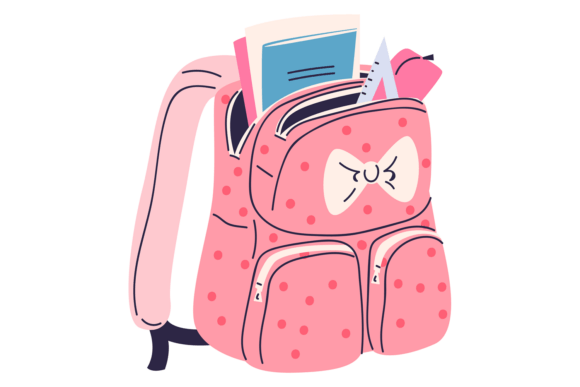
As a designer who spends half my life staring at stitch simulations and the other half wrestling with hoop tension, I have learned that not every graphic translates well to thread. When I first pulled up Girl Backpack. Pink Textile School Bag I, my initial reaction was one of cautious optimism. The image is clean, isolated, and undeniably cute, but the leap from a flat digital illustration to a textured, stitched reality is where many designs fail. This review breaks down how this specific asset performs when moved from the screen to the sewing machine, focusing on its viability for real-world craft businesses and personalized projects.
First Impressions: Simplicity Meets Functionality
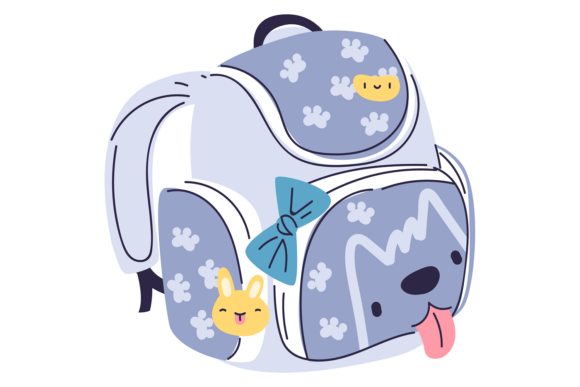
The visual personality of Girl Backpack. Pink Textile School Bag I is rooted in simplicity. It features a classic backpack silhouette with a soft, approachable aesthetic. For an embroidery designer, simple shapes are often a double-edged sword. On one hand, they are easier to digitize and stitch out cleanly. On the other, they lack the complexity that can hide minor stitching errors. This design relies heavily on its outline and basic internal details to convey its identity. The mood it creates is youthful and organized, making it an immediate fit for back-to-school themes, children’s apparel, or educational accessories. Because it is categorized under Illustrations and Graphics, it serves as a strong foundational element rather than a hyper-realistic scene, which is exactly what we need for scalable embroidery work.
Real-World Application: From Digital File to Finished Product
To truly evaluate Girl Backpack. Pink Textile School Bag I, I imagined placing it into a current client project: a line of custom canvas tote bags for a local boutique targeting young students. The goal was to create a handmade product that felt professional yet playful. In this context, the design shines. The clear lines of the backpack allow for distinct satin stitch borders that pop against the textured weave of canvas. If you are an Etsy seller or run a small shop product line, this type of icon is versatile. It works equally well as a central motif on a sweatshirt embroidery project or as a smaller accent on a zippered pencil case.
I also considered its use in baby embroidery. Parents love personalized items, and a school bag icon is a gentle nod to growing up without being overly aggressive or gender-specific beyond the pink colorway suggested in the title. When stitched onto a muslin blanket or a denim jacket, the design maintains its integrity. It does not get lost in the fabric grain, provided the digitizing respects the scale. For holiday embroidery gifts, such as a "first day of school" keepsake, this graphic offers a timeless appeal that doesn't feel tied to a specific trend year, increasing the longevity of your design assets.
Navigating Technical Challenges and Fabric Choices
While the design is appealing, practical application requires careful attention to detail. One major consideration is stitch density. Since this is a graphic icon, there is a risk that if the fill areas are too dense, the fabric may pucker, especially on thinner materials like cotton t-shirts or linen. I recommend using a lighter fill stitch pattern or even converting parts of the design to running stitch outlines if you are aiming for a vintage, hand-drawn look. This reduces bulk and keeps the finished product soft to the touch.
Fabric texture plays a crucial role here. On high-pile fabrics like fleece or terry cloth, small details can disappear. If you are using Girl Backpack. Pink Textile School Bag I on a hoodie, ensure that the internal details of the backpack—such as pockets or zippers—are simplified or enlarged. Conversely, on smooth fabrics like polyester caps or nylon jackets, the design will appear crisp. However, curved surfaces like caps require careful hooping. The backpack shape is relatively symmetrical, which helps, but you must ensure the design is centered perfectly to avoid visual distortion after stitching.
Color contrast is another vital factor. The product description mentions a pink textile bag, but in embroidery, you have full control over thread colors. While pink is charming, testing the design in high-contrast combinations—such as navy thread on white fabric or white thread on denim—can reveal how well the lines hold up. Always test your embroidery file on scrap fabric first. This allows you to check for thread breaks, tension issues, and overall clarity before committing to a final custom apparel piece.
Commercial Viability and Brand Consistency
For commercial embroidery professionals, consistency is key. Using a recognizable icon like Girl Backpack. Pink Textile School Bag I can help build brand recognition if used across a collection of school-related items. It pairs well with text, allowing you to add names or dates without overcrowding the design. This makes it ideal for personalized gift markets where customers expect a unique touch. The clean aesthetic ensures that when you create printable mockup images for your online store, the design looks professional and appealing, driving higher buyer engagement.
However, before selling any finished product or including this in a digital bundle, you must verify the licensing terms. The product description lists formats like EPS, JPG, SVG, and transparent PNG, which are standard for graphics, but it does not explicitly state the rights for machine embroidery commercial use. As a responsible craft business owner, always confirm whether the license covers physical sales or if additional permissions are needed. Never assume that a graphic file is automatically cleared for applique design or direct stitch-out commercial use without checking the specific agreement.
Practical Designer Notes for Best Results
To get the most out of this design, follow these practical steps during your embroidery project workflow:
- Check Hoop Size: Ensure the design fits comfortably within your chosen hoop, leaving enough margin for stabilization. A cramped design can lead to edge distortions.
- Stabilizer Selection: Use a cut-away stabilizer for stretchy fabrics like jersey knits to prevent the design from warping after washing. For woven fabrics, a tear-away may suffice.
- Detail Inspection: Zoom in on the digital file. If the lines are too close together, consider simplifying the digitizing to prevent thread bunching.
- Mockup Testing: Create black and white mockups to see if the design holds its shape without relying on color. If it looks muddy in grayscale, it may need clearer separation between elements.
- Wash Testing: Always wash a test sample to check for colorfastness and fabric shrinkage, ensuring the embroidered patch or direct stitch remains intact.
In conclusion, Girl Backpack. Pink Textile School Bag I is a solid choice for designers looking for a clean, versatile graphic for youth-oriented projects. Its strength lies in its simplicity, which allows for flexible application across various tote bag design concepts, caps, and aprons. By paying attention to stitch density, fabric choice, and licensing, you can transform this simple illustration into a high-value handmade product that resonates with customers. It is a reliable asset for your toolkit, provided it is handled with the technical care that quality embroidery demands.